
When used effectively, strategic brand collaborations can be a great way to build businesses, as we have seen in recent years. These partnerships allow brands to enter new markets and increase brand awareness in a way like no other.
The power of the collaboration
Partnerships such as Apple and Mastercard, Kanye and Adidas and Starbucks and Spotify have proved beyond doubt that collaborating with companies outside your industry can generate high levels of exposure and create the kind of buzz that really captures the market and the consumer alike. The Kanye/Adidas partnership is now worth $1.5 billion dollars according to Forbes, a 50% increase since 2018, and has made West a retail force to be reckoned with.
Only this week we have seen that stalwart of the high street, Marks and Spencer, is now turning to brands to refresh its offering and expose itself to wider audiences beyond their typical customer base. From this spring, M&S will begin to sell clothing from Hobbs, Joules, Phase Eight and White Stuff in a bid to boost online sales. An M&S spokesman said the move came as part of plans to “turbocharge online growth”.
M&S are of course not the first retailer to sell other brands. Department stores are based on selling a large range of brands, however the evolution of concessions and physical retail partnerships, where brands co-exist in the same space to offer an enhanced shopping experience, is increasingly being adopted by retailers desperate to engage shoppers who are turning to online instead.
Tesco’s partnership with Mrs Hinch, the Instagram cleaning sensation, has proven to be a clever move on behalf of the grocery giant. The social media star has launched her own loungewear and home wear range with them, and it’s a big hit. Early reports suggest most of the range has already sold out in many stores across the country.
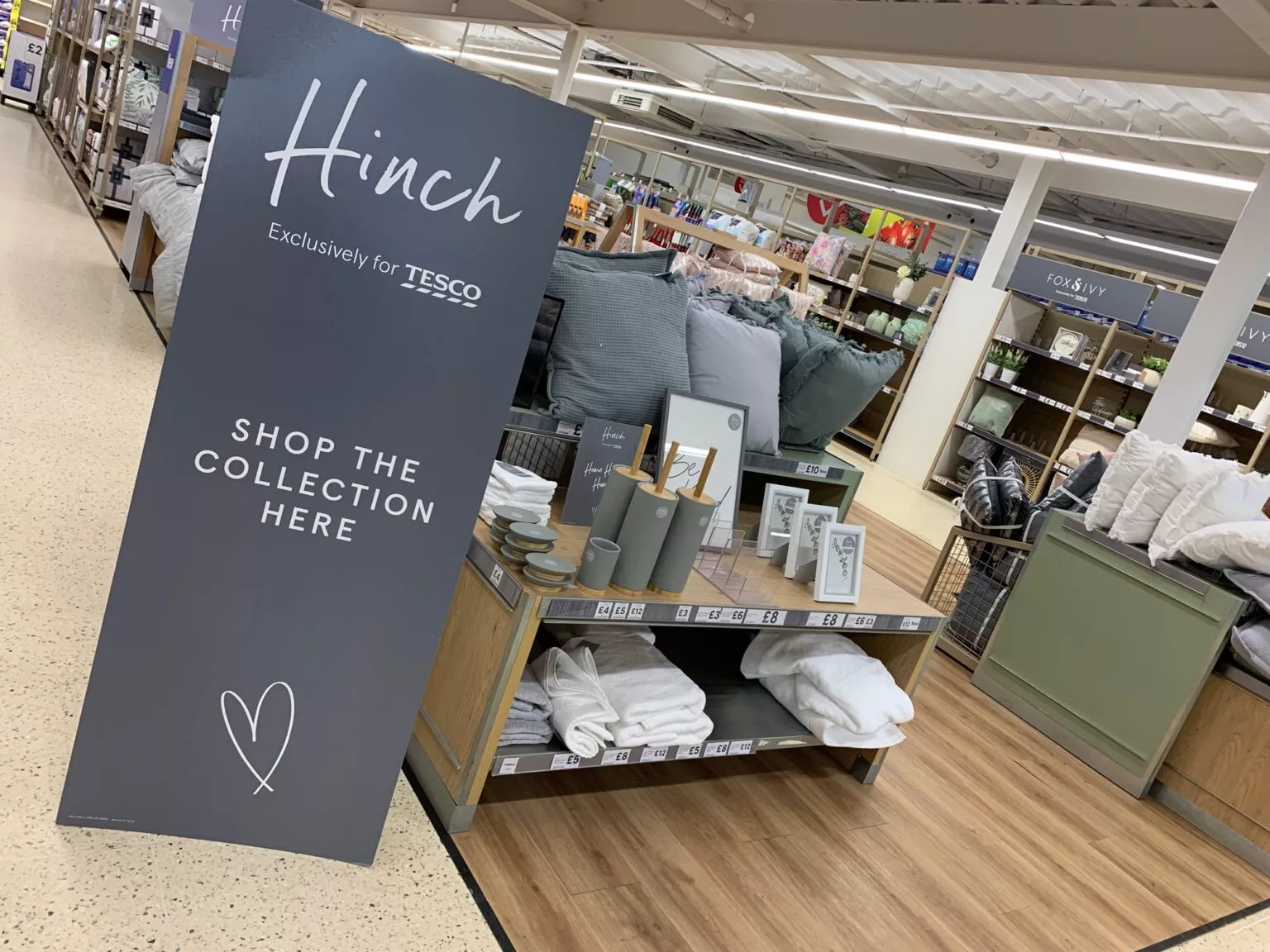
Mrs Hinch range in Tesco
The benefits of collaborations
As Maria Bellissimo-Magrin from Dynamicbusiness.com says “Collaboration can add value if the strategic and creative thinking is aligned. Both brands can benefit from increased growth, reduced costs and a greater reach. The simple trick to success is for brands to align themselves with the most compatible partners. This increases value to the customer and enhances the brand experience”.
Brands operating in different markets have the potential for rapid audience expansion as their customers are exposed to brands that may not have been aware of or had an interest in before the partnership.
“Brand collaboration can positively surprise your customers and attract new ones“
Bellisimo-Magrin continues “Brand collaboration can positively surprise your customers and attract new ones. Whether you are updating your brand image, entering a new market or launching a new product, brand collaboration can help you to amplify what you are doing and advertise your business in a new way to the modern consumer”.
Why homeware collaborations work
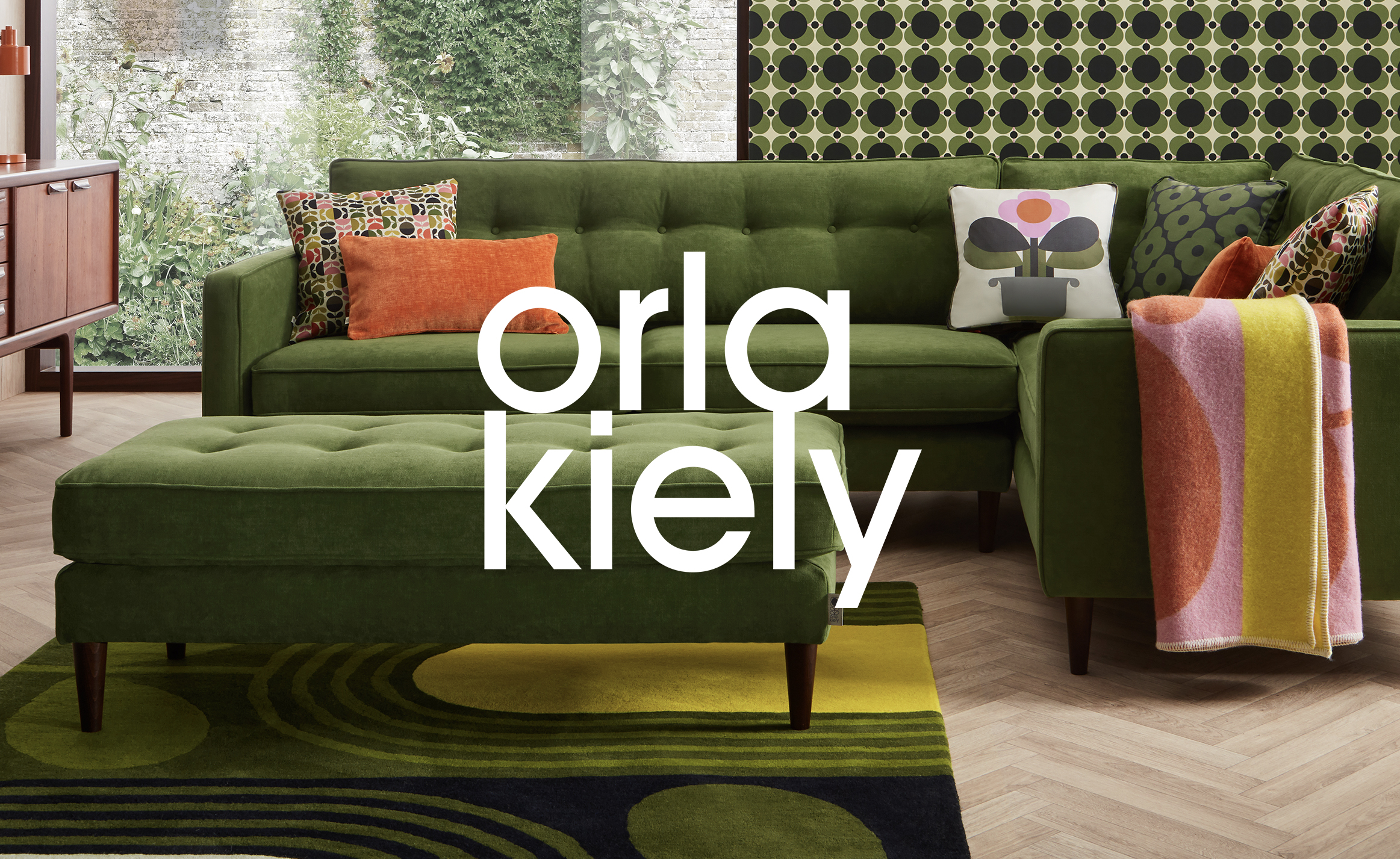
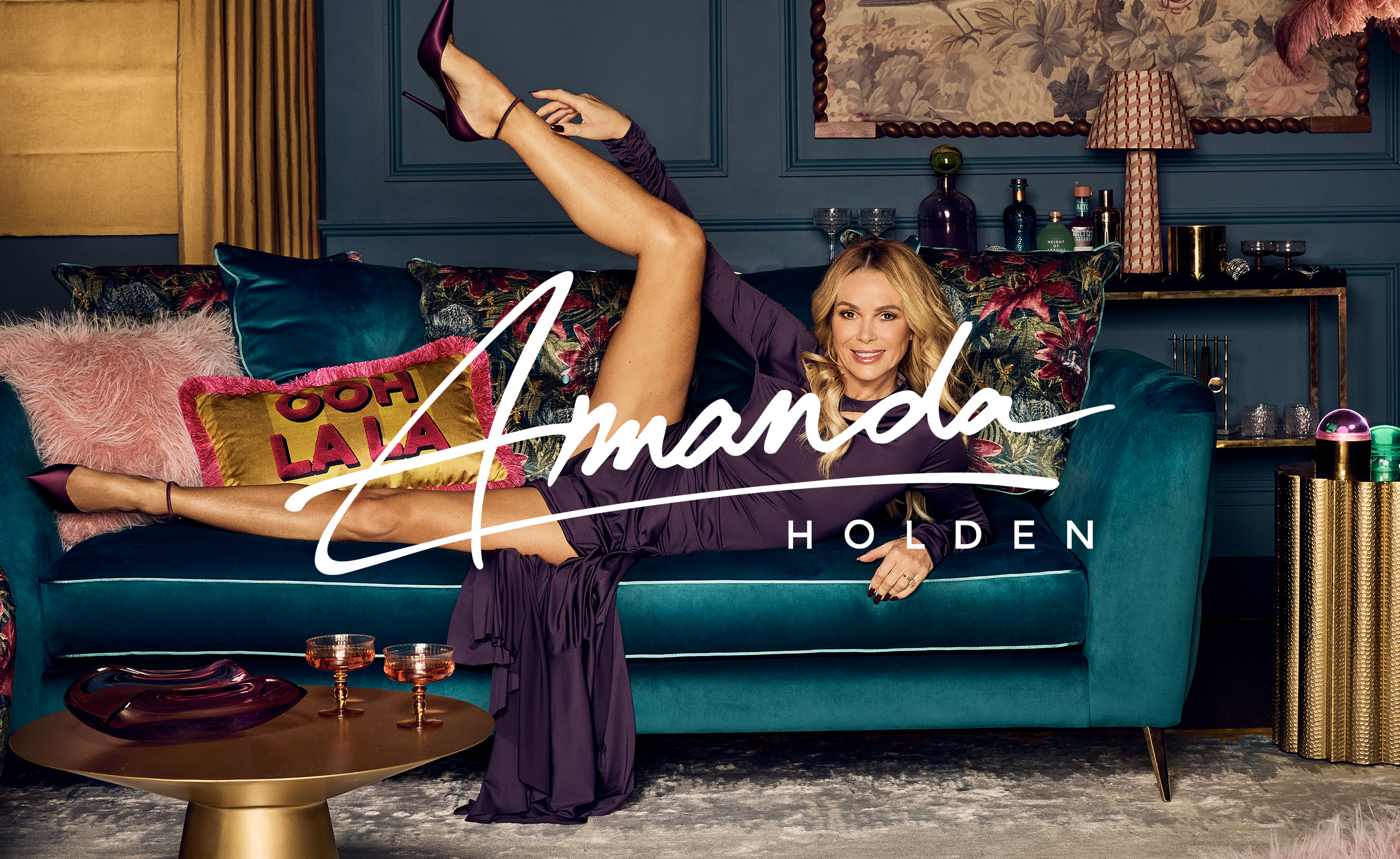
From French Connection to Joules and Orla Kiely, brands today are looking at new ways to project their brand identity into our lives and homes. The last few years have seen countless collaborations between brands (and even celebrities) and established homeware and upholstery manufacturers who have realised that consumers are hungry for a complete lifestyle experience. Strategically, this drives deeper engagement with their audience and can potentially unlock non-traditional revenue streams.
Sofa giant DFS now has 14 brands under its impressive umbrella. With homeware and furniture companies providing the infrastructure and expertise, partnerships such as these have proven to be mutually beneficial. DFS Chief Executive Officer, Tim Stacey, said in their 2020 Annual Review; “We continue to see above average sales growth from our licensed sofa brands, including French Connection, House Beautiful, Country Living and Joules, with successful new model introductions driving sales as they roll out across the DFS store estate”.
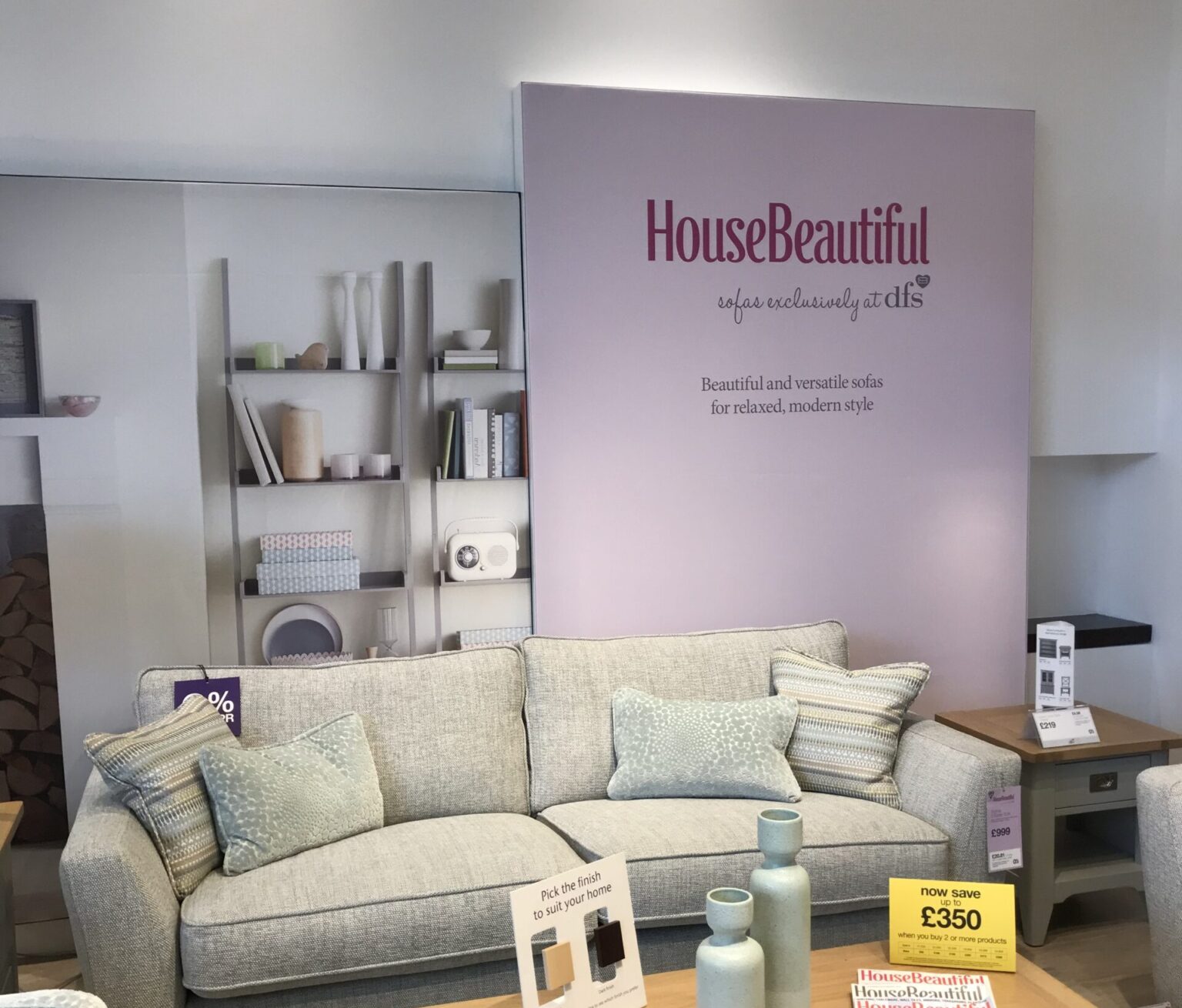
House Beautiful sofas exclusively at DFS
“In recent months, the home has never been so important as it is now, and it’s also seen as the most substantial way for brands to show their potential“
Expanding beyond a brands established product offering not only strengthens a business by increasing brand recognition, but also allows labels to grab a slice of the highly profitable home and furniture market, which, according to a report by Allied Market Research in the US, was estimated to reach $27 billion by 2020.
“In recent months, the home has never been so important as it is now, and it’s also seen as the most substantial way for brands to show their potential”, said Jamie Bourn, Sales and Brand Development Manager at The Branded Furniture Company. “In selling high-quality, aspirational furniture, brands are projecting a lifestyle that goes beyond fashion. Extending into the homewares market helps communicate this to consumers. The upholstery market is a particularly lucrative areas it has traditionally been monopolized by key specialists, allowing plenty of room for new players to enter the market”.
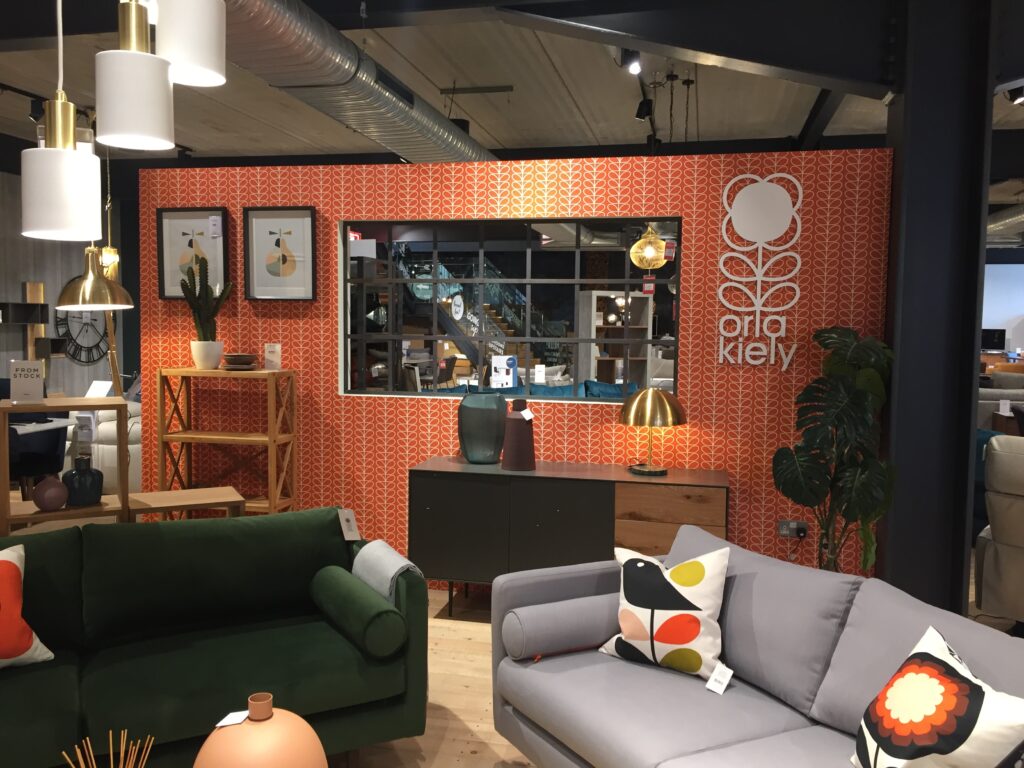
Orla Kiely sofa range on display in Barker & Stonehouse
And it’s not just fashion brands that are getting in on the act. Hearst Publishing have made a great success of licencing their magazine titles into furniture over the last decade. This may be because titles such as Country Living and House Beautiful can reach affluent, influential and style conscious women on a scale that few brands can. Partnering with premium-positioned retailers makes it the perfect brand-licensing relationship.
One new collaboration we are looking forward to seeing grow is the House Beautiful and Homebase partnership, delivering products for the home and garden.
Sharon Douglas, Chief Brand Officer (Lifestyle, Homes and Weeklies) at Hearst UK, comments: ‘We’re thrilled to be working with Homebase on this licensing partnership. We know that our highly engaged audiences across Country Living, House Beautiful and Good Housekeeping turn to us when they want to create or get inspiration for their dream home. They trust our experts when it comes to what to buy, so a partnership with an iconic retailer like Homebase makes complete sense.’
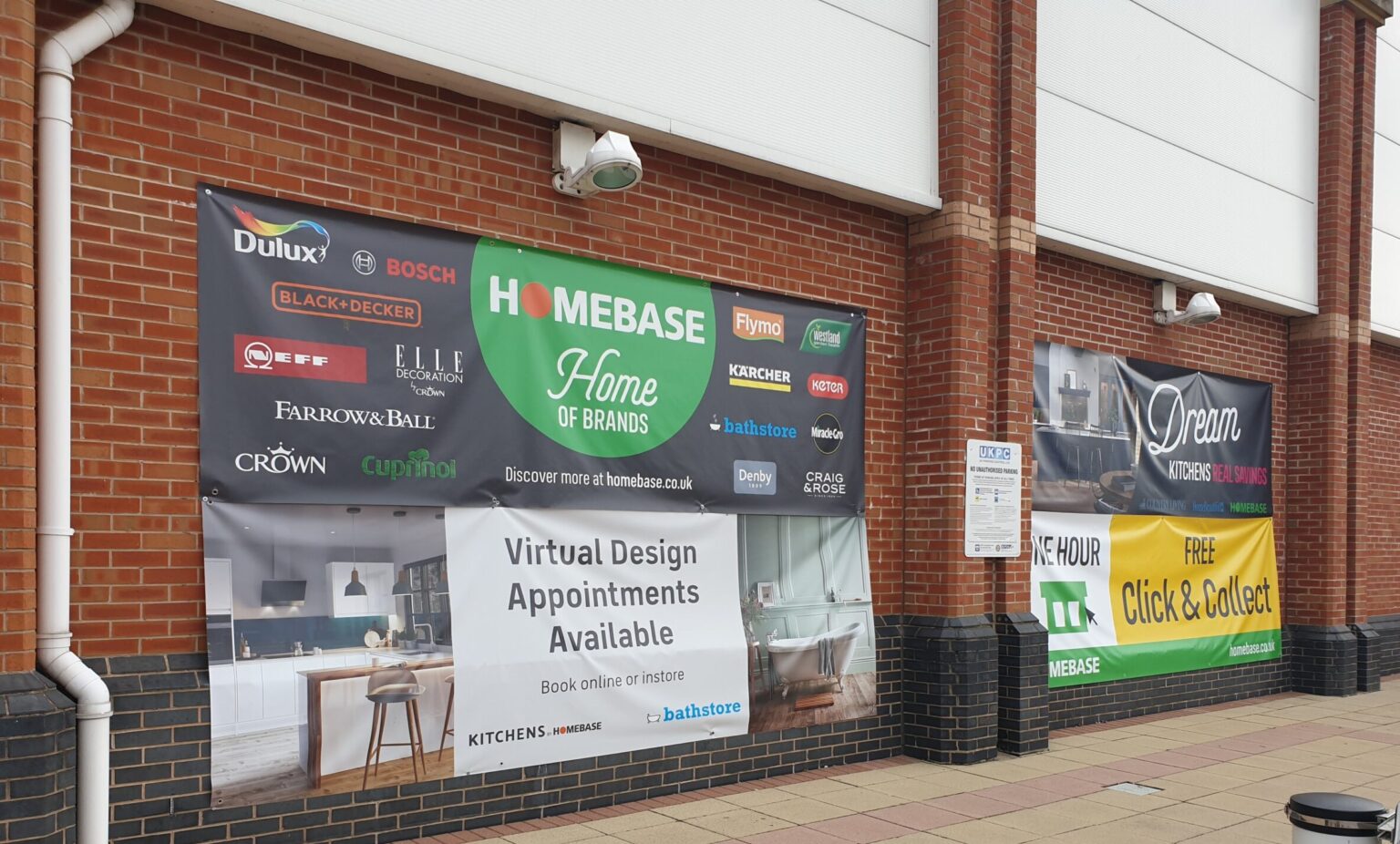
Homebase ‘Home of Brands’
Revenue from product licensing makes up 5 percent of Hearst’s total revenue, a growth of 30 percent from 2014, according to the publisher. Given the growing interest in product licensing from Hearst’s ad partners, the publisher expects this to reach between 15 and 20 percent over the next three years. This revenue doesn’t include the additional revenue that Hearst could also get from promoting the products through its media channels. In the U.K., Hearst has around 25 different product deals at the moment, including flower bouquets designed by Country Living, a variety of carpets by House Beautiful and gym equipment by Men’s Health.
How The Branded Furniture Company can help your brand
Ultimately, licensing should deliver sustained revenue for the brand, and for retailers it should drives visitors, providing a competitive edge and increases sales. Here at The Branded Furniture Company, connecting brands, manufacturers and retailers to develop authentic furniture ranges is what we do best. We work with established brands across all industries to create furniture collections which excite both retailers and consumers, and have over 30 years of experience in designing furniture alongside trusted manufacturing partners, with strong relationships into many of the UK’s key home retailers, both big and small. Get in touch today to discover how upholstery can open new revenue streams, create a competitive advantage and strengthen consumer awareness of your brand.